
Bonchon Menu – Complete Guide with Prices, Flavors & Categories
Bonchon is a Korean restaurant brand that serves fried chicken and Asian fusion food. It started in South Korea and now has locations in many countries. This page covers the full Bonchon menu for 2026, including all food categories, sizes, prices, sauces, and regional differences.
BonchonMenu.com is an independent guide and is not affiliated with Bonchon. Prices, hours and availability vary by location, so confirm with your local restaurant. Popular guides: Bonchon promo codes and deals, lunch specials, family meals, Korean donuts, calories and nutrition, menu PDF and locations, or browse all Bonchon guides.
The brand was founded in Busan, a city in South Korea. Bonchon means “my hometown” in Korean, which feels fitting when you’ve eaten there a few times. They use a double-frying method that keeps the chicken crispy. Each piece is hand-brushed with sauce, so the flavor sticks without making it soggy.
Welcome to BonchonMenu.com, your #1 source for the latest Bonchon menu prices, including chicken wings, combo meals, rice bowls, sides, and family packs. Whether you’re craving their iconic Korean-style fried chicken or exploring new flavors, this is the most complete and updated menu guide online.
Bonchon is famous for its double-fried chicken, flavorful sauces, crispy texture, and Korean-inspired meals that people love across the U.S.
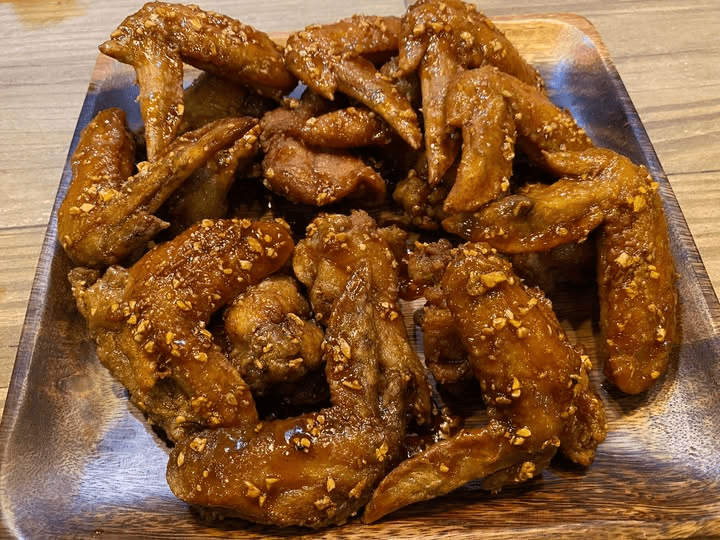
Wings
Small : $14.95
Medium : $28.28
Large: $39.95
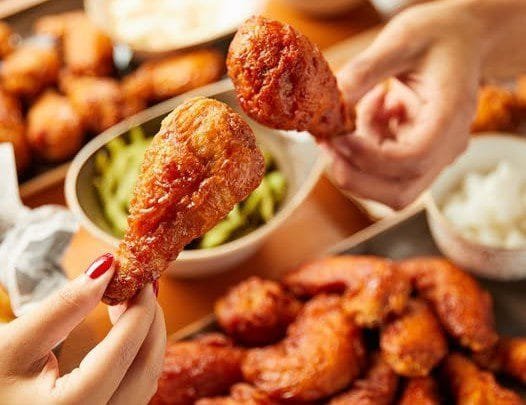
Combo (wings and drums)
Small : $14.95
Medium : $28.28
Large: $39.95

Drumsticks
Small : $14.95
Medium : $28.28
Large: $39.95
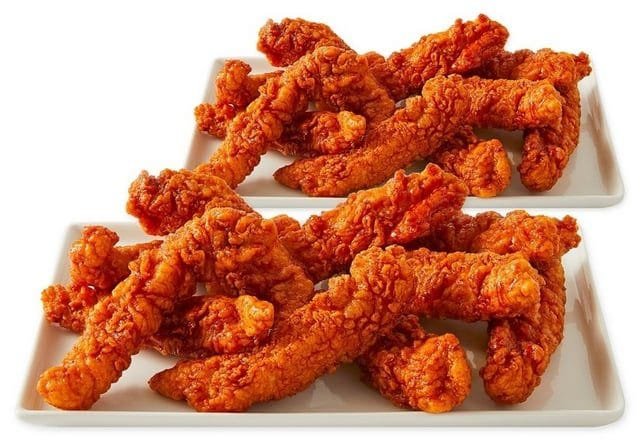
Strips
Small : $14.95
Medium : $28.28
Large: $39.95

Boneless
Small : $14.95
Medium : $28.28
Large: $39.95
Note: the prices above are examples from one U.S. location. Actual prices vary by location and by cut (wings, drumsticks, strips and boneless are often priced differently), and a small order typically runs about $11–$18. See our Bonchon chicken menu guide for per-cut ranges, and confirm current prices with your local restaurant.
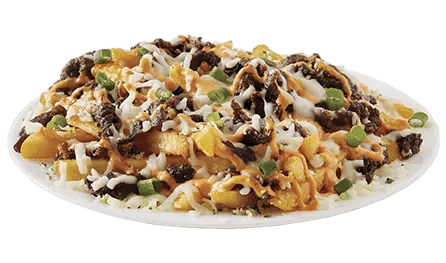
Bulgogi Fries
$13.99
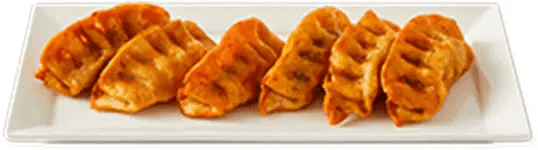
Potstickers
Soy Garlic : $10.55
Spicy : $10.55
Yangnyeom : $10.55
Korean BBQ : $10.55
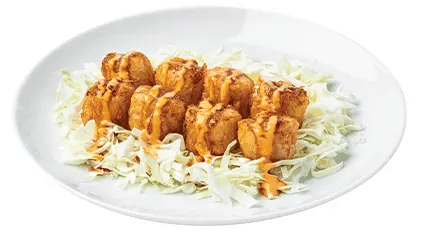
Shrimp Shumai
Steamed : $8.15
Fried : $8.15
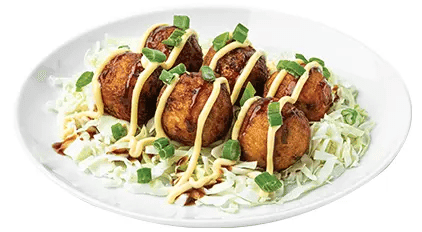
Takoyaki
$8.15
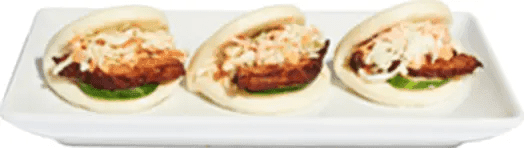
Bao Buns
Pork
Belly : $11.55
Fried
Chicken : $11.35
Bulgogi : $12.95
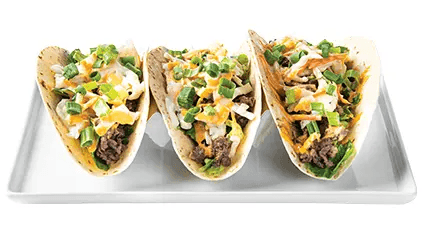
Korean Tacos
Soy Garlic
Chicken: $11.95
Spicy
Chicken : $11.95
Bulgogi : $12.95
Fried
Chicken : $11.95
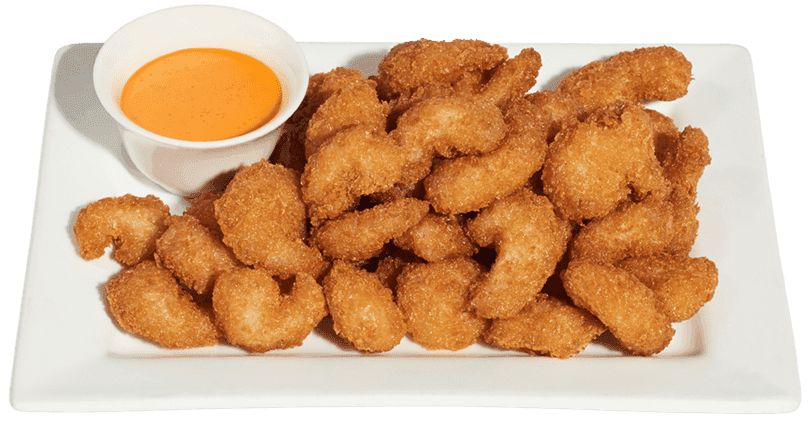
Popcorn Shrimp
Steamed : $8.15
Spicy
Mayo : $11.35
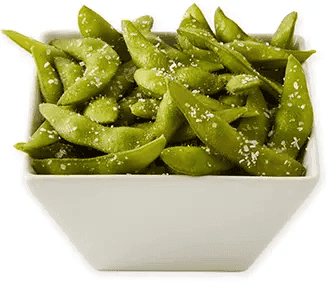
Edamame
$6.25
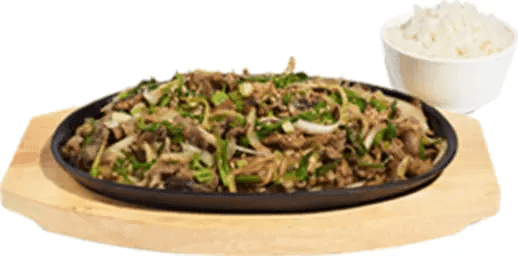
Bulgogi
$18.35
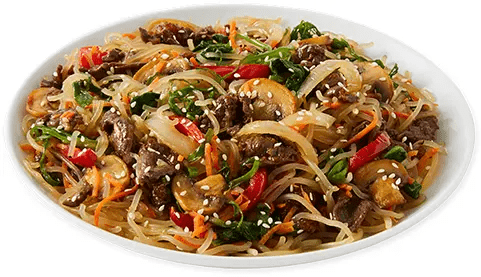
Japchae
$13.75
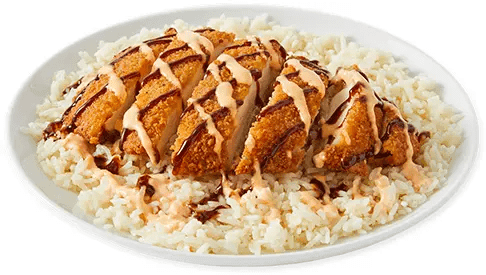
Chicken Katsu
$12.95
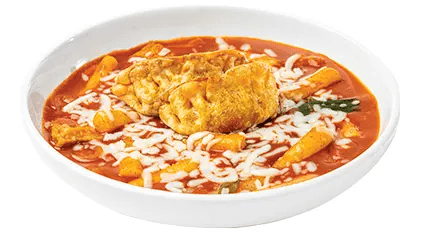
Tteokbokki
$12.95

Buldak
$15.95
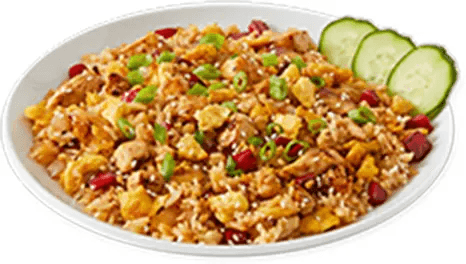
House Fried Rice
Plain: $11.95
Spicy
Chicken: $12.95
Soy Garlic
Chicken: $12.95
Kimchi Pork
Belly: $13.95
Bulgogi: $13.95
Seafood: $13.95
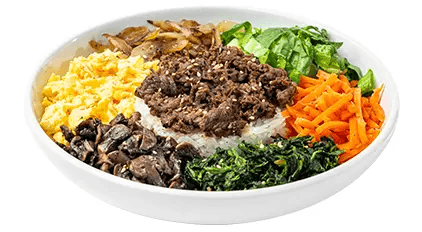
Bibimbap
Plain: $12.95
Tofu: $13.45
Spicy
Chicken: $14.95
Soy Garlic
Chicken: $13.95
Bulgogi: $13.95
Seafood: $13.95
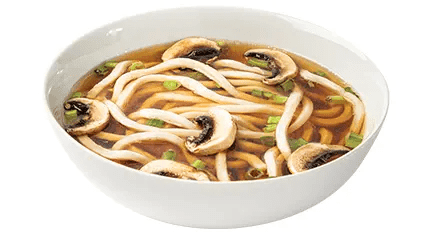
Udon Noodle Soup
Plain: $10.99
Fried
Egg: $11.25
Bulgogi: $12.35
Seafood: $12.35

French Fries
$4.15
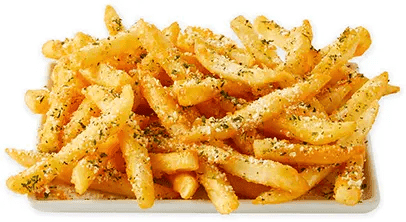
Seasoned Fries
$7.15
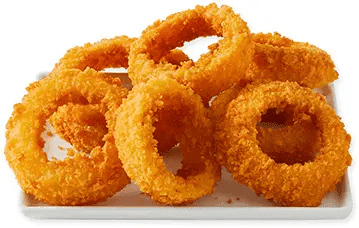
Onion Rings
$7.15
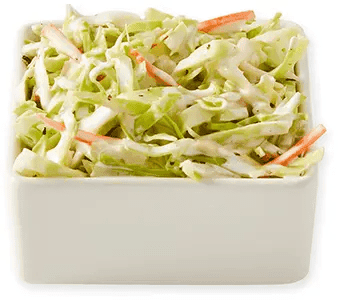
Coleslaw
$2.05
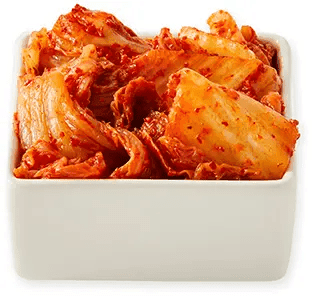
Kimchi
$3.05
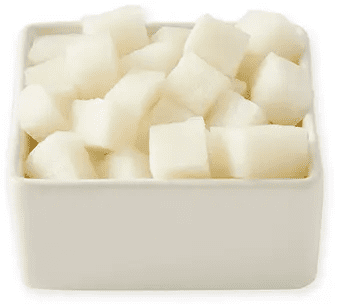
Pickled Radish
$2.05
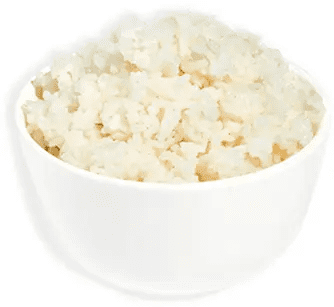
Steamed Rice
$2.05
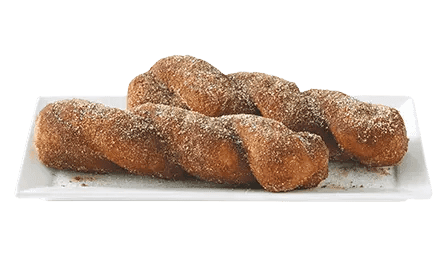
Korean Donuts
$6.99
Korean Fried Chicken
Bonchon’s Korean fried chicken isn’t just any fast food chicken. The skin is always crispy, even when the food’s been sitting a while. They double-fry each piece and hand-brush the sauce instead of soaking it, which makes the flavor cling better without turning everything soggy. You can pick from wings, drumsticks, strips, boneless, or a mix, and each cut comes in three sizes. This whole section is built around one idea: if you’re eating at Bonchon, the chicken should be your first stop.
There are also five main sauces to choose from: soy garlic, spicy, Korean BBQ, yangnyeom, and honey citrus. Each one has its own texture, heat level, and flavor personality. I’ll break all of that down too. Whether you like heat, sweet, or something in between, you’ll find something here that fits.
Wings
Wings are the classic order, and for good reason. They come in three sizes; small gives you 10 pieces, medium gives 20, and large gives 30. You can get them in one flavor or split it into two.
The calorie range starts around 800–850 for small and goes up to 2,400–2,550 for large. It sounds like a lot, but you’re getting that crunch and sauce-packed bite every time. It’s the best of both worlds; just spicy enough to feel it, but balanced with that salty-sweet garlic.
For the full list of sizes, sauces, and prices, check my bonchon wings menu breakdown.
Drumsticks
Drumsticks are heavier and a little juicier than wings. Bonchon serves them in small (5 pieces), medium (10), and large (15). The meat is thick and pulls off the bone easily. The spicy one hits harder here, maybe because of the steam trapped inside the drumstick.
If you’re ordering with someone who doesn’t like messing with small bones, drumsticks make it easier. They’re simple to hold, dip, and bite. They also make you feel like you’re actually eating something filling; not just snacking.
Mixed (Wings + Drumsticks)
The mixed combo gives you both cuts, and that variety is useful when people want different things. A small gives you six wings and three drumsticks. Medium gives you ten wings and five drumsticks. Large brings in fifteen wings and eight drumsticks.
It’s good when you’re trying to decide what you like more. Some people prefer the crisp of the wings, while others want the meatier drumsticks. Either way, you’re not stuck choosing one. See the full Bonchon Wings Menu
Chicken Strips
They’re also easier to dip and eat if you’re doing something else at the same time. The strips come in small (10 pieces), medium (20), and large (30).
The crust on these is the same as the wings, so you still get the full flavor. What changes is the ease of eating. There’s no work; just bite and chew.
Boneless Wings
Boneless wings are chunkier than strips. They feel more like nuggets but with that Bonchon crisp. These are good if you like bold flavor in one single bite. They come in 12, 24, or 36 pieces. No bones, no mess, just sauce and crunch.
Spicy and soy garlic both work great here. Korean BBQ also tastes really smooth on these, especially if you want something milder.
Bonchon Chicken Sauce Flavors Explained
Bonchon’s sauces aren’t basic. They all taste different, and each works better on certain cuts. Soy garlic is the safest. It’s salty, lightly sweet, and full of garlic flavor. It doesn’t burn, but it stays on your lips. Spicy is slow-building. You won’t feel it right away, but by the third bite, your mouth starts heating up.
Korean BBQ is thicker and tangy. It reminds me of teriyaki but with a little more punch. Yangnyeom is a traditional Korean mix; it’s sweet, has a chili edge, and is more layered in flavor. It’s lighter and adds a sweet finish.
If you’re unsure which one to try, go with a half-and-half order of soy garlic and spicy. It gives you enough contrast to know what to pick next time. Bonchon Sauces Explained
If you want the full rundown of every option, check my guide to bonchon sauce flavors.
Starters
That’s when the starter section on the Bonchon menu becomes the best part of the meal. These aren’t your regular side dishes; they’re built to stand on their own. Whether it’s fried, steamed, spicy, or sweet, the starters here hit different.
The options cover both meat lovers and people who just want something light. You’ve got beef-loaded fries, dumplings, seafood bites, and soft bao buns with different fillings. They’re small enough to share, but good enough that you probably won’t want to. Best Bonchon Items
Bulgogi Fries
These are not regular fries. Bonchon piles on sliced marinated beef, mozzarella, spicy mayo, and green onions over a bed of crispy fries. The beef is soft and slightly sweet, the cheese stretches with every bite, and the mayo adds just enough heat to wake you up. The portion size is pretty generous; one tray is enough for two people or one person who had a bad day and needs comfort food.
Potstickers
Potstickers come in two types: pork or vegetable. You can choose how you want them; lightly fried or steamed. Each piece is brushed with your sauce of choice; soy garlic, spicy, Korean BBQ, or yangnyeom.
Shrimp Shumai
Shrimp shumai might look small, but they carry a lot of flavor. You can order them fried or steamed, depending on what texture you’re going for. Fried gives a nice crisp edge while steamed stays soft and chewy. They’re topped with spicy mayo and soy garlic sauce, which makes them pop. They come in small clusters, and the dipping sauces make each bite a little different.
Takoyaki
This is one of the more traditional options. Takoyaki are fried octopus dumplings, soft in the middle, and topped with Kewpie mayo, katsu sauce, and scallions. The outside is golden and crispy while the inside stays warm and gooey. The octopus bits give it a chewy bite, but it’s not too fishy. It reminds me of street food from Korean and Japanese markets.
Bao Buns
These are soft, fluffy, and stuffed with serious flavor. You get to pick the filling; pork belly, fried chicken, or bulgogi. They’re topped with cucumbers, coleslaw, spicy mayo, and katsu sauce. The meat is tender, the sauce is rich, and the coleslaw adds a cold crunch that cuts through the warmth of the bun. The buns hold everything together without getting soggy, and you’ll probably wish they came in fours instead of threes.
Korean Tacos
Bonchon’s take on tacos is pretty solid. They use soft flour tortillas and let you choose between spicy chicken, bulgogi, or soy garlic chicken as the filling. The toppings include lettuce, coleslaw, ranch, spicy mayo, and scallions. It’s not your typical taco flavor; it leans into Korean spice and sweetness. The coleslaw and mayo give it a creamy texture, while the meat carries the flavor. These feel more like a snack than a full meal, but they’re good when you want variety without going overboard.
Popcorn Shrimp
These are bite-sized and crispy, with a golden coating that doesn’t fall apart. You can dip them in spicy mayo or cucumber wasabi, depending on your mood. The spicy mayo adds a kick, while the cucumber wasabi cools things down. Each piece has a firm texture and isn’t overly greasy, which is rare for fried shrimp. It’s one of those sides that go well with anything else on the menu.
Edamame
This is the lightest starter on the list. Steamed soybeans, lightly salted, and easy to eat one handful at a time. They’re warm, simple, and low in calories. Nothing fancy, just a healthy option that doesn’t taste boring. Sometimes I eat them while waiting for the rest of the order, and by the time the chicken arrives, half the bowl is already gone.
Main Dishes
That’s when the main dishes come in. They’re not just fillers or sides; they can stand on their own. Every dish in this section has a base that’s either rice or noodles, and most come with toppings or proteins you can pick. The sauces tie everything together, and the flavors are always bold but balanced.
These meals are great when you’re not in the mood for fried chicken or when you want to try something more traditional. The beef, noodles, egg, and spice combinations in this section show off the Korean comfort food side of the menu. And yes, they’re filling enough to count as lunch or dinner without needing anything else on the side.
Bulgogi
Bulgogi is made with thin slices of USDA-select marinated beef. The meat is sautéed with mushrooms, onions, scallions, and sesame seeds. It’s sweet, salty, and soft with just the right amount of oil. If you’ve never had Korean-style beef before, this is the safest and most satisfying place to start.
Japchae
Japchae is one of those dishes that tastes like something homemade but still special. It’s made with glass noodles stir-fried in soy garlic sauce, then mixed with red peppers, carrots, mushrooms, spinach, and onions. The noodles are chewy, and the veggies still have a little crunch. It also comes with bulgogi mixed in, which gives the dish some protein and depth. It’s warm, savory, and has a slightly sweet edge from the soy garlic sauce.
Chicken Katsu
Chicken katsu is Bonchon’s version of breaded chicken cutlet, served on a bed of steamed white rice with coleslaw on the side. The chicken stays crispy even after it’s topped with katsu sauce and spicy mayo. The crust cracks when you bite into it, and the meat inside stays juicy. The coleslaw cuts through the richness and adds a cold crunch that I think is necessary. This one fills you up without feeling heavy.
Buldak
This dish is not for the weak. Buldak is a stir-fried spicy chicken dish made with rice cakes, onions, and hot pepper sauce. It’s topped with scallions, sesame seeds, and mozzarella cheese. The heat builds fast, and the cheese helps balance it, but only a little. It’s served with white rice on the side to cool things down. The texture of the rice cakes is chewy, and the whole dish feels like something made for spice lovers.
Tteokbokki
Tteokbokki is made with rice cakes simmered in a spicy broth along with fish cakes, scallions, onions, and melted mozzarella. They also toss in vegetable potstickers, which soak up the broth and get super soft. The rice cakes are chewy, thick, and super filling. It’s a full meal in a bowl, even though it doesn’t look like much at first. If you like bold and warm food, this is a solid pick.
House Fried Rice
This dish is simple but super customizable. The base is jasmine rice stir-fried with vegetables and topped with a fried egg. You can choose your protein: plain, spicy chicken, soy garlic chicken, kimchi bacon, seafood, or bulgogi. The rice is never dry, and the egg on top pulls it all together. Add a little extra sauce on the side and it becomes one of the most satisfying plates on the menu.
Bibimbap
Bibimbap is a layered rice bowl that mixes scrambled egg, carrots, lettuce, onions, mushrooms, and spinach. You pick your protein; plain, tofu, soy garlic chicken, spicy chicken, bulgogi, or seafood. The sauce clings to the vegetables, and the rice at the bottom catches all the flavor. Every bite is different because of the mix. It’s colorful, warm, and balanced between soft and crunchy textures.
Udon Noodle Soup
Udon soup is a great choice when you want something hot and comforting. The broth is rich and savory, with thick wheat noodles, mushrooms, and scallions floating in it. You can add toppings like a fried egg, bulgogi, or seafood depending on how filling you want it to be. The noodles stay soft without turning mushy, and the broth stays warm all the way through. It’s one of those meals that feels good on a cold day or when you’re feeling run down.
Sides
The sides aren’t just fillers; they actually play a role in balancing out the meal. When you’re eating something spicy, salty, or heavily sauced, you need something on the side that either cools it down or fills in the gaps. Bonchon keeps their sides simple, but that’s the point. Each one matches well with whatever main or chicken option you choose.
You’ll find both familiar fast-food picks and Korean staples here. From fries to fermented vegetables, the mix covers crunchy, creamy, salty, and refreshing. Here’s how each one actually tastes and why I’d get it again.
French Fries
Bonchon’s French fries are exactly what you expect, and that’s a good thing. They’re crispy on the outside, soft on the inside, and lightly salted. No crazy seasoning, just enough flavor to match well with any dipping sauce.
Seasoned Fries
These are like the upgraded version of the regular fries. They come tossed in garlic seasoning, parmesan cheese, and a bit of parsley. The flavor is richer and a bit more savory. You don’t even need a sauce for these, though spicy mayo still works well if you want that extra kick. They feel like a proper side, not just something to munch on.
Onion Rings
The onion rings are thick and crunchy, not thin or flimsy. The coating stays crisp, and the inside is soft without turning mushy. They taste great with ketchup, but I’ve also dipped them in soy garlic and didn’t regret it. If you want something that adds texture and isn’t too heavy, these are worth the extra calories. They come in a good portion, too; not too many, not too few.
Coleslaw
This is the cold, creamy side you need when your meal is too hot or too spicy. The coleslaw at Bonchon is made with cabbage and shredded carrots in a slightly sweet dressing. It’s not watery or overly thick. It cools down your mouth without making the meal feel off-balance. It’s also the easiest side to finish if you’re trying to pretend you’re eating healthy.
Kimchi
If you’ve never had kimchi before, this one’s a good place to start. It’s fermented cabbage with chili, garlic, and seasoning. The flavor is sharp, a little sour, and definitely spicy. It’s a traditional Korean side, and Bonchon keeps it authentic without overcomplicating it.
Pickled Radish
These are served as small white cubes with a clean, sour taste. Pickled radish helps cleanse your mouth between bites, especially when you’re eating greasy or spicy food. It’s cold, crunchy, and not overly salty. It also comes complimentary with most chicken orders, so you’ll likely try it whether you ask for it or not.
Steamed Rice
Sometimes all you need is plain white rice. Bonchon’s steamed rice is fluffy and works as a neutral base. It balances out the strong flavors and helps you stretch the meal.
Desserts
Bonchon keeps their dessert menu short, but it’s a good kind of short. You don’t have to overthink it. There’s just one option, and honestly, it gets the job done. It’s warm, soft, and sugary; everything you want after fried chicken or a heavy rice bowl.
It holds its own.
Korean Donuts
Bonchon’s Korean donuts come in a set of two. They’re soft on the inside and slightly crispy on the outside, coated in a mix of cinnamon and sugar. You get a little cup of sweet cream dipping sauce on the side, which adds just enough richness without making it too heavy. The texture is airy, not dense like a regular donut, so it doesn’t feel like you’re ending your meal with a brick.
The cinnamon-sugar mix sticks well to the surface and gives a slight crunch as you bite in. It’s the kind of dessert that doesn’t fight with the rest of the meal. It just finishes things off cleanly and sweetly.
If you’re even a little bit into donuts, this is worth adding to your order. It’s simple, it’s sweet, and it always disappears fast.
Additional Menu Highlights
Some Bonchon items don’t fall neatly under chicken, sides, or mains, but they still deserve attention. These are the extras and specials that either offer variety or just complete your order in a smarter way. They give you more ways to enjoy the same flavors but in a different format.
If you’re new to Bonchon or just want to try a bit of everything, this section is where you’ll find the most flexible options.
Chicken Sandwich
Bonchon’s chicken sandwich isn’t trying to compete with fast food chains. It’s thicker, crispier, and more sauce-focused. You get a fried chicken breast on a toasted brioche bun, topped with coleslaw and your choice of sauce; soy garlic, spicy, yangnyeom, or Korean BBQ.
The bread is soft, slightly sweet, and holds up well even when the sandwich is packed. I liked the coleslaw inside; it balances out the heat and adds a bit of crunch without making it messy. This sandwich feels like a full meal by itself, and the portion is generous. It also comes with fries, which is a nice bonus.
Seoul Sampler
If you’ve never been to Bonchon before and want a little bit of everything, the Seoul Sampler is your safest bet. It includes wings, drumsticks, pork potstickers, bulgogi fries, Korean street corn, and coleslaw. Basically, it’s a rundown of all their popular items in one tray.
Each item comes in a smaller portion, but still enough to taste properly. It’s perfect when you don’t want to commit to one thing and want to try several flavors at once. The best part is that it lets you test out sauces, meats, and sides before deciding what to order more of next time.
Korean Street Corn
This isn’t your regular buttered corn. It’s grilled and then topped with Kewpie mayo, mozzarella cheese, garlic, and Korean red chili flakes. They finish it with chopped green onions for an extra kick. I didn’t expect it to stand out this much, but it does.
The cheese melts into the corn, the mayo adds creaminess, and the chili flakes wake your mouth up fast. It’s warm, cheesy, and a little spicy all at once. If you’re already getting something rich, this works as a sweet-spicy side that doesn’t get in the way.
Sauces & Extras
Bonchon lets you add small containers of their dipping sauces for an extra charge. Options include spicy mayo, Kewpie mayo, ranch, cucumber wasabi, and bibimbap sauce.
Spicy mayo and Kewpie mayo are great with chicken strips. Ranch works well with fries or onion rings. Bibimbap sauce is a bit tangy and tastes best when mixed with rice dishes. Cucumber wasabi is sharp and fresh, great for seafood sides like popcorn shrimp. If you like playing around with flavors or just want a safety net in case your main sauce is too spicy, these extras are worth it.
Newer menu additions worth trying
Bonchon’s menu keeps growing. At many U.S. locations you’ll now spot newer additions like the K-Chicken Sandwich, Sotteok Sotteok (sausage-and-rice-cake skewers), the MoPo Corndog, Korean cucumber salad, and Gold Dust seasoned fries and onion rings. Family-sized K-Meals and K-Boxes feeding 4–10 people have also rolled out at several branches — handy for parties and game nights. Availability and prices vary by location, so call ahead if you’re craving something specific.
If you’re feeding a crowd, check out bonchon catering for party-sized trays of all the favorites.
Bonchon Locations
Bonchon isn’t just a one-city chain anymore. Over the years, they’ve expanded into several countries and cities, and now it’s easy to find a branch whether you’re in the U.S., Asia, or just searching locally. Bonchon branches appear in malls, near universities and in smaller towns. They keep the menu consistent, but some locations offer local add-ons or promos depending on the region.
If you’re planning to visit or order, here’s a breakdown of where to find them and how to spot the nearest one without wasting time.
Bonchon USA
Bonchon has grown quickly across the United States, especially in states like New York, California, Texas, and New Jersey. The chain now runs 150+ locations across 27+ U.S. states, making it one of the largest Korean restaurant brands in the country. Branches operate in both city centers and suburban areas. New York City alone has multiple branches, and if you’re in Los Angeles, you’ll probably find one within a few miles.
Most U.S. branches offer dine-in, takeout, and delivery. You’ll also see the full menu available, including chicken, mains, sides, and desserts. They usually update seasonal items based on location, but the core chicken flavors stay the same. Browse our city guides for New York City, Los Angeles, Chicago, Dallas–Fort Worth and the Washington DC area, or see every Bonchon location in the USA.
Bonchon UK
If you’re searching for Bonchon in the UK or London, here’s the honest answer: as of 2026 there are no Bonchon locations in the United Kingdom yet. The brand already runs two restaurants in Paris, France, and has announced it is actively seeking a franchise partner to bring its Korean fried chicken to Britain — so a London opening may not be far off. Until then, UK fans will have to get their fix abroad. Read the full story in our Bonchon UK guide, and we will update it the moment the first British branch opens.
Bonchon Canada
The US chain has not announced a Canadian restaurant yet, but a restaurant called Bonchon opened on 124 Street in Edmonton, Alberta, in spring 2026. Local coverage describes it as independently owned, so it is not confirmed to be part of the chain. See our Bonchon Edmonton guide for details. In August 2026, Toronto-based Serruya Private Equity acquired Bonchon’s business across the Americas and named Canada a priority expansion market, alongside Mexico and Chile. No Toronto or Vancouver opening dates have been announced yet, but Canadian Korean-fried-chicken fans should keep an eye out. The menu and prices on this page reflect the U.S. menu. Our Bonchon Canada guide tracks Canadian plans and prices.
Bonchon Australia
Bonchon opened its first Australian restaurant at Craigieburn Central, Melbourne, in late 2021, but OpenTable now lists it as permanently closed and we found no other open Australian locations. Details are in our Bonchon Australia guide.
Bonchon Philippines
In the Philippines, Bonchon has become one of the more recognized Korean food chains. You’ll find them in Metro Manila, especially inside malls like SM Megamall, SM North Edsa, and Glorietta. The menu is very similar to the U.S. menu, with a few regional dishes added.
The branches there are fast-paced, perfect for quick meals, and they offer combo deals that include rice and drinks. It’s a popular spot for students and office workers during lunch hours. If you’re ever traveling in the Philippines, it’s an easy option for reliable Korean food.
Bonchon Singapore
Bonchon’s presence in Singapore is smaller, but they’ve chosen high-traffic locations like shopping malls and business districts. Locations tend to be in busy shopping malls and business districts. These branches cater to both quick lunch crowds and casual dinners.
The menu focuses more on the core items; fried chicken, rice bowls, and sides. Because of the location setup, the seating is usually more compact, but the food comes out fast and hot. It’s a convenient spot when you’re walking around and just need a good meal without waiting long.
Bonchon Near Me
If you’re looking for a Bonchon near you, the easiest way is through their official website’s store locator. It shows all nearby branches based on your location. You can also check on food delivery apps like DoorDash, Grubhub, or Uber Eats, depending on your city.
Just search “Bonchon near me” on Google Maps, and you’ll get directions, hours, and sometimes even real-time wait times. If you’re not sure which branch is closest or open late, the locator does the job fast.
For hours, directions, and ordering options branch by branch, see our guide to finding a Bonchon near you.
How to Order from Bonchon
Ordering from Bonchon has gotten easier over the years. Whether you’re dining in, picking up, or getting it delivered to your door, the options are clear and quick. You can order in the store, by phone, online or through the app. No matter how you order, the food usually comes out consistent and hot, which is all I ever care about.
If you’re eating midday, don’t miss the bonchon lunch specials.
Bonchon Delivery Services
Bonchon partners with all the major delivery apps; DoorDash, Uber Eats, Grubhub, and sometimes even Postmates, depending on the city. The pricing is usually the same as in-store, and some apps run special discounts on combo meals or free delivery days.
Some locations also offer in-house delivery, which you can access directly through the Bonchon website. If you’re looking to avoid third-party service fees, this is a solid option.
You can compare all the bonchon delivery options in my detailed guide.
Takeout and Pickup
Most Bonchon locations let you call in your order or place it online, then pick it up at the counter. Some branches also offer curbside pickup. You just park in the designated spot, call the number posted on the window, and they bring the food out to you.
They accept cards, cash, and sometimes digital payments like Apple Pay or Google Pay.
Bonchon App and Rewards
The Bonchon app is worth downloading if you eat there regularly. The rewards program in the app tracks your orders and awards points that can be redeemed for rewards such as a free item or a discount. The app also sends out promo codes or seasonal deals, like buy-one-get-one offers or free sides with combos.
The app also saves previous orders, which makes reordering quick if you tend to pick the same flavor and combo.
I also keep an eye on the latest bonchon deals and coupons so you never pay full price.
Bonchon Contact Options
If you ever have questions about your order or want to check store hours, calling the store directly works best. Each Bonchon location has its own phone number listed on the website. Calling the store directly is the quickest way to check whether a specific item is available.
They also have a contact form on their official site for general questions, complaints, or feedback. It is a useful channel for general questions, complaints or feedback.
Bonchon Chicken Flavor Comparison
One of the hardest parts of ordering at Bonchon is picking the sauce. The chicken is always crispy and fresh, but the flavor you choose changes the whole experience. Some flavors are bold and intense. Others are subtle and comforting. The good part is you can mix them if you don’t want to commit to just one.
Here’s what I’ve learned from trying all five core Bonchon sauces; and what works best with different cuts or side pairings.
Soy Garlic vs Spicy
Soy garlic is the most ordered flavor at Bonchon, and it’s easy to see why. It has a salty base with a little bit of sweetness, and the garlic adds a strong kick without being overwhelming. It works really well on wings and boneless cuts because the flavor soaks in without drowning the crispiness.
Spicy, on the other hand, takes its time. The first few bites feel warm, but by the fourth or fifth, the heat catches up. It’s not unbearable, but it’s definitely the type that builds. The spicy sauce pairs best with rice and cold sides like pickled radish or coleslaw because you’ll need something to cool it down.
Yangnyeom and Korean BBQ
These two aren’t as common, but they’re worth a shot if you’ve had the usual sauces too many times. Yangnyeom has a sweet flavor with a chili edge that feels more traditional. It’s not too spicy, more of a smooth heat that stays light.
Korean BBQ sauce is thicker and has a deep, smoky sweetness. It reminds me of teriyaki but with a bit more attitude. It’s great on drumsticks or sandwiches because it coats well and sticks to every bite. If you’re sharing with someone who doesn’t like spice, this is a safe and flavorful choice.
Half & Half Option
You can split any order into two flavors.
The best thing about going half & half is you can test new flavors without risking the whole order. You also get to switch things up bite by bite, which somehow makes the meal feel longer and more satisfying. If you’re ordering for the first time, start with this; it gives you a taste of what Bonchon does best without locking you into just one choice.
Nutritional and Allergen Information
They have a detailed PDF that breaks down calories, fat, protein, sodium, and allergens for every item on the menu. Bonchon
Some dishes are heavier than others. For example, the Bonchon Bowl with fried chicken and soy garlic sauce has about 824 calories per serving . If you’re watching your intake, it’s good to check these numbers before ordering.
I cover the full breakdown in my bonchon nutrition guide, and I also looked into is Bonchon healthy if you’re counting calories. There’s a separate bonchon allergen guide if you have dietary restrictions.
Allergens are clearly listed too. Many items contain soy, sesame, or dairy. For instance, the sesame ginger salad includes sesame oil, and the soy garlic sauce contains soy and wheat Bonchon Brand. If you have dietary restrictions, reviewing the allergen information can help you choose suitable dishes.
More Bonchon Guides
Dig deeper with our detailed guides:
- Bonchon nutrition and calories
- Bonchon sauces and flavors
- Bonchon catering menu
- Bonchon lunch specials
- Is Bonchon healthy?
- Bonchon allergen guide
- Bonchon delivery and ordering
- Is Bonchon halal?
- Bonchon vs competitors
- Bonchon deals and coupons
- Bonchon happy hour
- Bonchon gift cards and rewards
- Is Bonchon vegan?
- Bonchon kids menu
- Who owns Bonchon?
- Bonchon UK
- Bonchon Paris
- Bonchon Australia
- Bonchon Edmonton (Canada)
- Bonchon Addison, TX
- Bonchon Flushing Northern Blvd
Free Calculators & Tools
Planning your meal or tracking your nutrition? Try our free calculators:
- BMI Calculator — Check your body mass index in seconds.
- Daily Calorie Calculator — Estimate your daily calorie needs based on your age, size, and activity level.
- Protein Intake Calculator — Find out exactly how much protein you need per day.
- Bonchon Meal Calorie Calculator — Build your Bonchon meal and see the calories and protein before you order.
Frequently Asked Questions
When people ask me about Bonchon for the first time, it’s usually one of these questions.
What to order at Bonchon for the first time
If it’s your first visit, go straight for the chicken. Start with a medium order of wings and pick two sauces; soy garlic and spicy. That gives you the best mix of sweet and heat. Add bulgogi fries if you’re hungry or sharing with someone, and maybe a side of pickled radish or coleslaw to cool things down. If you want to try a bit of everything, the Seoul Sampler is built for that. It includes wings, drumsticks, potstickers, and more, so you can figure out what you like most without committing to one thing.
What is Bonchon’s best chicken flavor
Soy garlic is the top pick for most people. Reviews and menu stats show it’s their best-seller, and it’s the one I recommend to anyone trying Bonchon for the first time. It’s balanced, not spicy, and full of flavor. Spicy comes in second, but it’s more for those who already like heat. Many fan polls and reviews rank soy garlic as the must-try flavor. It’s hard to go wrong with it.
Are there vegetarian or halal options at Bonchon
Bonchon isn’t fully vegetarian or halal-certified everywhere, but some locations do offer alternatives. Edamame, plain fried rice, and seasoned fries are vegetarian-friendly sides. As for halal, it depends on the branch. In places like the Philippines or Singapore, some outlets serve halal-certified chicken, but it’s always best to call and confirm. The sauces can contain soy or other non-halal ingredients, so double-checking helps avoid any issues.
For the full breakdown, see my guide on is Bonchon halal.
How spicy is Bonchon’s Spicy chicken
Bonchon’s spicy chicken isn’t mild; it builds. The first few bites feel manageable, but the heat catches up quickly, especially if you eat fast. It’s not the kind of heat that knocks you out, but it’s definitely strong enough to make your mouth tingle. The official description says it’s “a blend of chili peppers,” and that’s accurate. If you’re unsure, go half spicy and half soy garlic. That way, you won’t be stuck if the heat becomes too much.
What does the word Bonchon mean?
Bonchon (the Korean word) means ‘my hometown’ in Korean. The chain was founded in Busan, South Korea in 2002, and the name reflects its roots in Korean comfort food — most famously its double-fried Korean fried chicken hand-brushed with signature sauces.
Is Bonchon Korean or Chinese?
Bonchon is Korean, not Chinese. It started in Busan, South Korea, and built its name on yangnyeom-style Korean fried chicken tossed in signature sauces like soy garlic and spicy. The menu also carries Korean staples like bibimbap, bulgogi, japchae, and tteokbokki.
How much does Bonchon cost per person?
For one person, expect roughly $13–$20 before tax and tip — a small wings order runs about $14.95 at most U.S. locations. Sharing brings the per-person cost down: a medium 20-piece chicken order is about $28.28, and the Seoul Sampler or family-style K-Meals feed groups for less each. Prices vary by location, so scan the full price list above before you go.
What time does Bonchon open and close?
Most Bonchon locations open at 11:00 AM and close between 9:00 PM and 10:00 PM, staying open later on Fridays and Saturdays. Hours vary by branch, so check our Bonchon locations guide to confirm your nearest spot’s hours before visiting.
Conclusion
Bonchon has built its name around more than just crispy fried chicken. From their double-fry method to the hand-brushed sauces, every part of the Bonchon menu reflects a strong identity tied to Korean flavor and street food culture. Whether you’re ordering wings, drumsticks, bibimbap, or bulgogi fries, the flavor stays consistent across their global locations. The sauces; soy garlic, spicy, yangnyeom, Korean BBQ, and honey citrus; add variety without losing that recognizable Bonchon touch.
Their locations span across the United States, the Philippines, and Singapore, making Bonchon a go-to brand for anyone craving Korean fried chicken or Asian fusion meals. You can order through delivery apps, pick up curbside, or use their official app for rewards and fast reorders. The menu caters to different preferences with options like vegetarian-friendly dishes, low-calorie starters, and mild or spicy flavor choices.
If you’re visiting for the first time, the safest bets are soy garlic wings, bulgogi fries, and a side of pickled radish. But once you’ve tried a few sections; like bibimbap, udon noodle soup, or the Seoul Sampler; you’ll see that Bonchon isn’t just about chicken. It’s a full menu experience built on rich Korean flavors and smart meal combinations.
This guide was designed to make your order decisions easier and give a clear overview of everything Bonchon offers. From their menu items to delivery options and regional availability, all major entities and service details are covered. Whether you’re dining in or ordering online, now you know exactly what to expect; and what to order next.
I also wrote about how Bonchon compares with competitors if you’re deciding where to order from.